
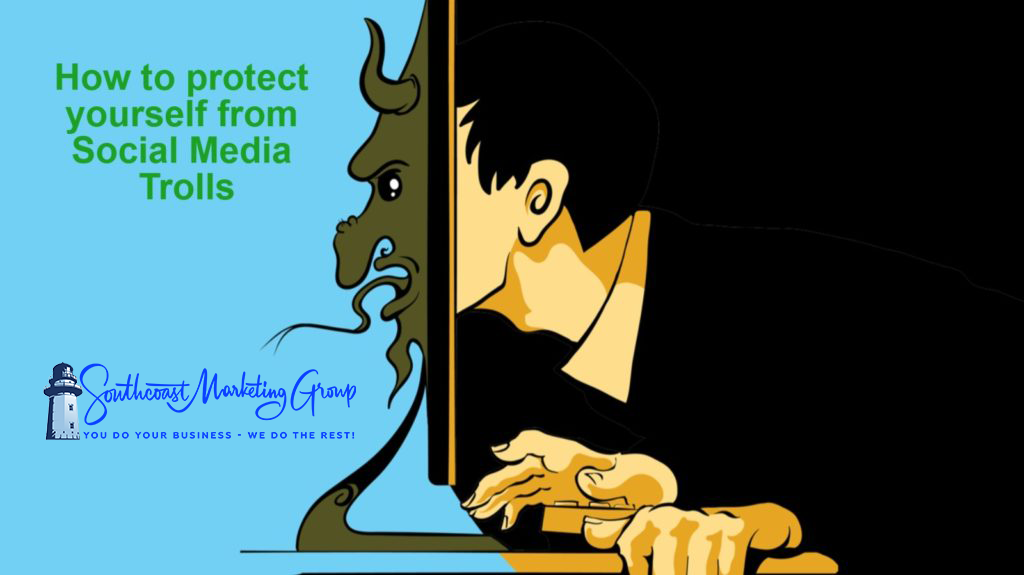
Beware of Social Media Trolls: They're Real and Harmful!
The Cambridge Dictionary describes a troll as “an imaginary, either very large or very small creature in traditional Scandinavian stories, that has magical powers and lives in mountains or caves.”
If you have read your fairy tales, you would know that trolls are generally grotesque creatures that stay away from human habitation. They take pleasure in carrying out antisocial activities and causing people pain and mental suffering.
Those trolls are mythical, but the online trolls are very much real. These digital trolls use the anonymity offered by the net to stay hidden and cause disruption and harm through their malicious and negative comments. They share provocative, malicious content and delight in fomenting unrest. If the victim takes the comments personally, it can leave them emotionally disturbed.
Why do people troll?
Why do people troll? Why do they want to insult, abuse, criticize, hurt, and spread negativity? There are many studies available online that offer a detailed analysis of how a troll’s mind works. However, we won’t go into such details. For our convenience and easy understanding, it will suffice to say that trolling may be the result of an individual’s background, low empathy levels, anger, frustration, jealousy, sadness, and/or bitterness.
Low empathy: There are people who have less empathy or sensitivity and often find grim or disturbing situations funny. They will, for e.g.; not think twice about posting a joke on a social media thread where everyone is offering condolence on the demise of a loved one. They may see nothing wrong in it, rather it may give them a laugh.
Inflexible attitude: Some people find it difficult to accept that others too can have their individual viewpoints and instinctively target people with different opinions as enemies and make it their mission to abuse them as if to prove that they are wrong. They hamper freedom of speech online for they do try to prevent other users from sharing their personal opinions.
Revenge: Some go on a rampage to seek revenge for the ‘wrong’ done to them or someone else.
The anonymity provided by the net enables many cowardly people to feel strong by attacking others and give vent to their emotions online.
How do you identify trolls?
Easy. They are the rabble-rousers, the ones who have nothing positive to contribute but are only out to disrupt, disturb, and upset you. Their posts may vary from personal comments on your photo, satirical outbursts on your blogs or videos or direct attacks on your person, to out-of-context malicious remarks in an ongoing discussion. They would definitely be using a false bio and either no profile pic or a false one.
What do you do if you are trolled?
Avoid feeding them – they thrive on your emotional upheaval and vituperative responses. The smart thing to do is to neither acknowledge their comments nor respond to them. Nothing is as off-putting as an IGNORE.
Keep records and block – If the trolling continues, keep records and block the account of the troll and report it to the platform. Let your friends know about the account too.
Consider continuing to comment on your YouTube channel – you may also choose to delete negative comments.
Make amendments to posts – if factual or grammatical errors or an archaic style of writing your posts or blogs have brought out the trolls, consider apologizing for the errors and making revisions. Reply positively, thanking the troll for the feedback. You will take the wind out of the troll’s sails.
Don’t take it to heart – adults may use humor to counter trolls online, but it may not be easy for teens to keep emotions aside and reply to abusive comments lightly. So, it’s best to ignore it.
As a digital parent, you may already be aware of trolls and the emotional havoc they can cause. You want to protect your kids from their attacks when they go online. At the same time, you need to explain to them why trolling is wrong and sometimes funny isn’t funny at all but maybe hurtful and nasty.
How to ensure your kids know it’s wrong to troll?
Good manners: Whether online or off it, there is no substitute for good manners and etiquette. Ensure your kids feel happy and secure at home. Model the kind of behavior you expect from them and reward good manners with appreciation.
Empathy: The world runs on kindness and empathy. Reinforce empathy right from childhood. They need to understand that there are all kinds of people and each one is special in some way. Help them grow up to be generous, tolerant, and broad-minded people.
Positivity: A child with a positive outlook and sunny disposition is most unlikely to be rude and deliberately mean online. Lay stress on being positive, whatever the situation may be.
Monitoring: It is recommended that parents monitor the conversations kids have online. Avoid participating in their conversations or taking to task those who may be bullying or trolling them, for though this will delight the troll, it will be embarrassing for the child. Instead, have discussions on how he/she plans to handle it and let him/her tackle the issue.
Last but not least, ensure all your devices are installed with licensed comprehensive security software that offers the parental controls feature. This will allow you to monitor activities remotely, though you should keep your child informed that you are doing so.
One last word: we cannot make trolls vanish, but we can empower our kids to vanquish them.
We use cookies to ensure that we give you the best experience on our website. If you continue to use this site we will assume that you are happy with it.
Trolls often operate from a place of emotional distress or dissatisfaction, using the anonymity of social media to express their frustrations. Understanding the psychological factors that drive trolling behavior can help users recognize that these attacks often stem from the troll's own issues rather than any personal failing of their victims.
Research indicates that individuals who engage in trolling may possess lower levels of empathy and higher levels of aggression. This insight can inform strategies for dealing with trolls, as recognizing their motivations can help victims avoid taking their comments personally and foster a more constructive response.
Identifying Different Types of Trolls
Trolls can manifest in various forms, each with distinct behaviors and motivations. By identifying the type of troll you are dealing with, you can tailor your response appropriately and minimize their impact on your online experience.
Common types of trolls include the "provocateur," who seeks to incite anger; the "disruptor," who aims to derail conversations; and the "impersonator," who masquerades as someone else to confuse or harm. Understanding these categories can empower users to respond effectively and protect their online spaces.
Effective Strategies for Dealing with Trolls
When faced with trolling, it is crucial to have a set of strategies in place to mitigate its effects. These strategies can range from blocking and reporting to engaging in humor or ignoring the troll altogether, depending on the situation.
For instance, blocking trolls can immediately halt their harassment, while reporting them to the platform can lead to further action against their accounts. Additionally, employing humor can sometimes disarm trolls, though it's essential to gauge the context and ensure it doesn't escalate the situation.
Educating Children About Online Safety
In an age where children are increasingly active on social media, educating them about the realities of online interactions is vital. Teaching kids about trolls and how to handle them can empower them to navigate social media safely.
Parents can foster open discussions about online behavior, emphasizing the importance of not engaging with trolls and recognizing when to seek help. By instilling good digital citizenship values, children can learn to protect themselves and their peers from online negativity.
brand awareness, digital marketing, brand, marketing strategy, search engine, web design, customer, analytics, search engine optimization, social media marketing, criminal justice, content marketing, web developer, email marketing, graphic design, return on investment, associate degree, west virginia, creativity, influencer marketing, target audience, new mexico, knowledge, south dakota, north dakota, missouri, landscape, new hampshire, social media, iowa, local agency, marketing near me, illinois, consumer, kentucky, customer service, south carolina, maryland, wyoming, utah, kansas, louisiana, rhode island, computer science, copywriting, nebraska, nevada, mississippi, arkansas, idaho, alabama, oklahoma, visibility, search engine results page, delaware, vermont, indiana, connecticut, wisconsin, target market, research, business administration, innovation, local search, automation, expert, information technology, skill, content creation, user experience, law, attention, marketing automation, reputation, coupon, business card, mobile app, nursing, organization, accounting, understanding, price, revenue, south coast digital marketing, online advertising, south coast, pacific ocean, nonprofit organization, theatre, patient, physician, primary care, general surgery, cardiology, pain, southcoast health system, geriatrics, addiction, accountable care organization, chief executive officer, health care, contract, organ, chief marketing officer, surgery, agency, sponsors, marketing group, chamber of commerce, registered nurse
Frequently Asked Questions
Who is digital marketing for?
Digital marketing is for businesses of all sizes seeking to enhance their online presence, engage with their target audience, and drive growth through effective digital strategies.
Is digital marketing in demand in Australia?
The demand for digital marketing in Australia is significant and growing, as businesses increasingly recognize the importance of online presence and engagement to reach their target audiences effectively.
How do digital marketing companies work?
Digital marketing companies work by developing and implementing tailored strategies that combine various online and offline marketing techniques. They analyze client needs, target audiences, and market trends to enhance brand visibility and drive customer engagement.
Is digital marketing expensive?
Digital marketing can vary in cost depending on the strategies and services chosen. While some options may seem expensive, many offer a high return on investment, making them cost-effective for businesses looking to enhance their online presence.
What are the areas of digital marketing?
The areas of digital marketing include search engine optimization (SEO), social media marketing, content marketing, email marketing, pay-per-click advertising (PPC), and affiliate marketing, each designed to enhance online visibility and engagement.
Is digital marketing worth it?
The value of digital marketing is significant. It enhances brand visibility, engages target audiences effectively, and drives measurable results, making it an essential investment for businesses looking to thrive in today's competitive landscape.
Are digital marketing and social media marketing the same?
Digital marketing and social media marketing are not the same. Digital marketing encompasses a broad range of online strategies, including SEO, email marketing, and content marketing, while social media marketing specifically focuses on promoting brands through social media platforms.
What businesses benefit from digital marketing?
Businesses of all sizes and industries benefit from digital marketing, as it enhances visibility, engages customers, and drives sales through tailored strategies that reach target audiences effectively.
How is digital marketing evolving in Australia?
Digital marketing is evolving in Australia through increased integration of AI technologies, a focus on personalized customer experiences, and the growing importance of social media platforms, driving businesses to adopt innovative strategies for better engagement and reach.
What services do digital marketing companies offer?
Digital marketing companies offer a variety of services, including social media management, search engine optimization (SEO), web design, content creation, email marketing, and graphic design, all aimed at enhancing online visibility and engagement for businesses.
Is digital marketing cost-effective for startups?
Digital marketing is cost-effective for startups as it allows for targeted outreach, measurable results, and flexibility in budget allocation, enabling them to maximize their marketing impact without the high costs associated with traditional advertising methods.
What skills are needed for digital marketing?
The skills needed for digital marketing include strong analytical abilities, proficiency in SEO and content creation, social media management expertise, and a good understanding of web design and data analytics to effectively engage and convert audiences.
How do I measure digital marketing success?
Measuring digital marketing success involves analyzing key performance indicators (KPIs) such as website traffic, conversion rates, social media engagement, and return on investment (ROI) to assess the effectiveness of your strategies.
What trends are shaping digital marketing today?
Current trends shaping digital marketing include the rise of artificial intelligence, an increased focus on personalized content, the growing importance of video marketing, and the integration of social commerce, all aimed at enhancing customer engagement and experience.
How can small businesses use digital marketing?
Small businesses can use digital marketing to enhance their visibility, engage with customers, and drive sales through targeted strategies like social media, SEO, and email marketing, allowing them to compete effectively in the online marketplace.
What tools are essential for digital marketing?
The essential tools for digital marketing include social media management platforms, SEO tools, email marketing software, analytics tools, and content management systems. These resources help optimize campaigns, track performance, and enhance online engagement effectively.
How do audience targeting strategies work?
Audience targeting strategies work by identifying specific groups within a larger market to tailor marketing efforts, ensuring that messages reach the right people at the right time through data analysis and segmentation techniques.
Is digital marketing suitable for every industry?
Digital marketing is suitable for every industry. Its adaptability allows businesses in various sectors to enhance their online presence, reach target audiences effectively, and drive engagement, making it a valuable tool for all types of organizations.
What are common digital marketing strategies?
Common digital marketing strategies include search engine optimization (SEO), social media marketing, content marketing, email marketing, and pay-per-click advertising. These approaches help businesses enhance their online visibility and engage with their target audience effectively.
How does SEO fit into digital marketing?
SEO is a crucial component of digital marketing, as it enhances online visibility and drives organic traffic to websites. By optimizing content and structure, SEO ensures that businesses reach their target audience effectively, ultimately boosting engagement and conversions.
Why choose digital marketing over traditional marketing?
Choosing digital marketing over traditional marketing offers greater reach, targeted audience engagement, and measurable results. It allows businesses to adapt quickly to trends, optimize campaigns in real-time, and achieve a higher return on investment.
What role does content play in digital marketing?
The role of content in digital marketing is crucial as it drives engagement, builds brand authority, and enhances SEO. Quality content attracts and retains customers, ultimately leading to increased conversions and a stronger online presence.
How important is social media in digital marketing?
Social media is crucial in digital marketing as it enhances brand visibility, fosters customer engagement, and drives traffic to websites. It allows businesses to connect with their audience effectively, making it an essential component of any marketing strategy.
What metrics track digital marketing performance?
The metrics that track digital marketing performance include website traffic, conversion rates, click-through rates, engagement levels on social media, and return on investment (ROI). These indicators help assess the effectiveness of marketing strategies and guide improvements.
Are there certifications for digital marketing professionals?
Certifications for digital marketing professionals are available from various reputable organizations, including Google, HubSpot, and Hootsuite. These certifications help validate skills and enhance credibility in the ever-evolving digital marketing landscape.
How does digital marketing influence consumer behavior?
Digital marketing significantly influences consumer behavior by leveraging targeted strategies that engage audiences through personalized content, social media interactions, and data-driven insights, ultimately guiding purchasing decisions and enhancing brand loyalty.
What challenges do digital marketers face?
The challenges digital marketers face include staying updated with rapidly changing technologies, managing diverse platforms, measuring campaign effectiveness, and adapting to evolving consumer behaviors and preferences. These factors can complicate strategy development and execution.
What are effective digital marketing campaigns examples?
Effective digital marketing campaign examples include targeted social media ads, engaging email marketing sequences, and successful search engine optimization strategies that drive traffic and conversions. These campaigns leverage analytics to tailor messaging and reach specific audiences effectively.
How to integrate digital marketing with offline strategies?
Integrating digital marketing with offline strategies involves creating a cohesive plan that combines both approaches. Utilize online channels to promote offline events and vice versa, ensuring consistent messaging and branding across all platforms to maximize reach and engagement.
What is the future of digital marketing?
The future of digital marketing is characterized by increased personalization, the rise of artificial intelligence, and a focus on data-driven strategies. Brands will leverage innovative technologies to create more engaging and targeted customer experiences.
marketing services near me, south coast digital marketing, marketing group, digital marketing services near me, marketing company near me, digital marketing service near me, marketing companies near me, southcoast marketing group, marketing agencies near me
Understanding the Importance of Local SEO
Local SEO is crucial for businesses aiming to attract customers from their immediate geographic area. By optimizing for local search, companies can ensure they appear in relevant searches conducted by potential clients nearby, which significantly increases foot traffic and online engagement.
Implementing local SEO strategies involves optimizing your Google My Business listing, ensuring accurate NAP (Name, Address, Phone Number) information across directories, and leveraging local keywords. This targeted approach not only enhances visibility but also helps in building a strong community presence and trust among local consumers.
Maximizing Social Media Engagement
Social media engagement is vital for brands looking to connect with their audience on a personal level. By actively engaging with followers through comments, shares, and interactive content, businesses can foster stronger relationships and brand loyalty.
Effective social media strategies include posting consistently, using engaging visuals, and responding promptly to audience interactions. Additionally, incorporating user-generated content and hosting contests can significantly enhance engagement rates, making followers feel valued and part of the brand's community.
Crafting Compelling Email Campaigns
Email campaigns remain one of the most effective marketing tools for nurturing leads and driving conversions. A well-crafted email can inform, engage, and persuade recipients to take action, whether it's making a purchase or signing up for a service.
To create compelling email campaigns, businesses should focus on personalized content, eye-catching subject lines, and clear calls to action. Segmenting your audience and tailoring messages to specific groups can also improve open rates and engagement, ultimately leading to higher conversion rates.
Innovative Graphic Design Strategies
Graphic design plays a pivotal role in establishing a brand's visual identity and communicating its message effectively. Innovative design strategies can captivate audiences and differentiate a brand from its competitors in a crowded market.
Utilizing modern design trends, such as minimalism or bold typography, can enhance visual appeal and user experience. Additionally, incorporating responsive design elements ensures that graphics are optimized for various devices, thereby maintaining brand consistency across platforms.